Fatty Liver Fix: Real Changes That Actually Work
Living with fatty liver can feel like a silent battle—no loud alarms, just slow damage. Many ignore the early signs until fatigue, abnormal blood tests, or an unexpected scan deliver a wake-up call. This isn’t about miracle cures or unproven supplements. It’s about real, science-backed changes—diet, movement, sleep, and medical partnership—that make a measurable difference. Non-alcoholic fatty liver disease (NAFLD) affects nearly one in three adults worldwide, yet most don’t know they have it. The good news? With the right steps, liver fat can be reduced, inflammation lowered, and long-term complications avoided. This is a guide grounded in medical evidence and lived experience—showing how small, consistent choices can lead to meaningful improvement.
Understanding Fatty Liver: More Common Than You Think
Non-alcoholic fatty liver disease, or NAFLD, occurs when excess fat builds up in liver cells—typically defined as fat making up more than 5% of liver weight—without significant alcohol use as the cause. It’s now one of the most common chronic liver conditions globally, affecting an estimated 25% of the world’s population. In some countries, prevalence exceeds 30%, particularly in regions with rising rates of obesity and type 2 diabetes. The condition begins silently, often without symptoms, but over time, fat accumulation can trigger inflammation, scarring (fibrosis), and in severe cases, cirrhosis or liver failure.
The root of NAFLD lies in metabolic imbalance. When the body processes more energy than it can use—especially from sugars and refined carbohydrates—the surplus is stored as fat. The liver, central to metabolism, becomes a storage site. Insulin resistance, a condition where cells don’t respond well to insulin, plays a key role. It leads to higher blood sugar and increased fat production in the liver. Over time, this metabolic strain impairs the liver’s ability to manage fats, sugars, and toxins effectively.
Several factors increase the risk of developing fatty liver. Obesity, particularly abdominal fat, is strongly linked. So are type 2 diabetes, high triglycerides, and metabolic syndrome—a cluster of conditions including high blood pressure, elevated blood sugar, and abnormal cholesterol levels. A sedentary lifestyle, poor diet, and genetic predisposition also contribute. While NAFLD is more common in middle-aged adults, it’s increasingly seen in younger populations, even children, due to rising childhood obesity rates.
Despite its prevalence, fatty liver is not a normal part of aging or weight gain. It’s a warning sign of metabolic dysfunction. Left unaddressed, it can progress from simple steatosis (fat buildup) to non-alcoholic steatohepatitis (NASH), where inflammation and liver cell damage occur. About 20% of people with NAFLD develop NASH, and a subset of those may progress to advanced fibrosis or cirrhosis. Early detection and intervention are critical to halt this progression. The good news is that the liver has a remarkable ability to regenerate—especially when changes are made early.
Why Your Liver Matters: The Body’s Silent Powerhouse
The liver is often called the body’s chemical factory, and for good reason. It performs over 500 known functions, quietly supporting nearly every system in the body. Think of it as the central processing unit of your internal network—constantly filtering blood, breaking down toxins, producing essential proteins, and regulating energy. Every drop of blood from the digestive tract passes through the liver before circulating to the rest of the body, making it the first line of defense against ingested substances, from nutrients to pollutants.
One of its most vital roles is in metabolism. The liver processes carbohydrates, fats, and proteins, converting them into usable energy or storing them for later. It maintains blood sugar levels by storing glucose as glycogen and releasing it when needed. It also produces bile, a substance crucial for digesting fats in the small intestine. Without adequate bile, fat absorption suffers, leading to deficiencies in fat-soluble vitamins like A, D, E, and K.
Detoxification is another key function. The liver neutralizes harmful substances such as alcohol, medications, and environmental toxins by transforming them into less dangerous compounds that can be excreted through bile or urine. It also clears old red blood cells and regulates hormone levels by breaking down excess estrogen, cortisol, and insulin. When fat accumulates in liver cells, these processes become less efficient. The organ’s ability to filter, metabolize, and regenerate slows down, creating a ripple effect across the body.
Fat-laden liver cells struggle to function optimally. Inflammation may develop, impairing the organ’s regenerative capacity. Over time, scar tissue can form, reducing blood flow and further compromising performance. This decline doesn’t happen overnight, but the consequences are real: lower energy, poor digestion, weakened immunity, and increased risk of metabolic and cardiovascular diseases. Protecting liver health isn’t just about preventing liver disease—it’s about supporting overall vitality and long-term wellness.
The Wake-Up Call: Recognizing Early Warning Signs
Fatty liver is often called a silent condition because it rarely causes noticeable symptoms in its early stages. Most people feel fine—until they don’t. The first clues are usually subtle: persistent fatigue, a dull ache in the upper right abdomen, or unexplained weight gain. These signs are easy to dismiss as stress, aging, or lack of sleep. But when they persist, they may point to underlying metabolic issues, including liver strain.
Blood tests are often the first indication. Elevated liver enzymes—particularly ALT (alanine aminotransferase) and AST (aspartate aminotransferase)—signal liver cell damage or inflammation. While these enzymes can rise due to other causes, such as medication or viral hepatitis, a pattern of mild to moderate elevation without another clear cause often prompts doctors to investigate fatty liver. Ultrasound imaging can then confirm the diagnosis by detecting increased liver echogenicity, a sign of fat accumulation.
Some individuals may also notice signs of insulin resistance, such as increased thirst, frequent urination, or darkened skin patches (acanthosis nigricans) on the neck or underarms. Others report bloating, indigestion, or a feeling of fullness after small meals—symptoms linked to impaired bile production or sluggish digestion. While none of these are definitive proof of fatty liver, they serve as red flags that warrant further evaluation.
Early detection is crucial. Once fat and inflammation take hold, reversing the condition becomes more challenging. Routine check-ups, including liver enzyme tests and abdominal ultrasounds, are especially important for those with risk factors like obesity, prediabetes, or a family history of liver disease. Catching NAFLD early allows for lifestyle interventions that can halt or even reverse damage. Waiting for symptoms to worsen means missing the window for the most effective action.
Diet Shifts That Make a Difference: What to Eat and Avoid
Diet is the most powerful tool in managing fatty liver. What you eat directly influences fat production, insulin sensitivity, and inflammation in the liver. The first and most critical step is reducing added sugars—especially fructose. Unlike glucose, which can be used by all cells, fructose is primarily metabolized in the liver. When consumed in excess, it overwhelms the organ’s capacity, leading to increased fat synthesis and storage. High-fructose corn syrup, found in sodas, sweetened teas, and many processed foods, is a major contributor.
Eliminating sugary drinks is one of the most effective changes. Studies show that cutting out just one daily soda can reduce liver fat by up to 25% in a few months. Fruit juices, even 100% natural ones, are also high in fructose and should be limited. Instead, water, herbal teas, or sparkling water with a splash of lemon are better choices. Reducing refined carbohydrates—white bread, pastries, white rice, and most breakfast cereals—also helps, as they quickly break down into sugar and spike insulin levels.
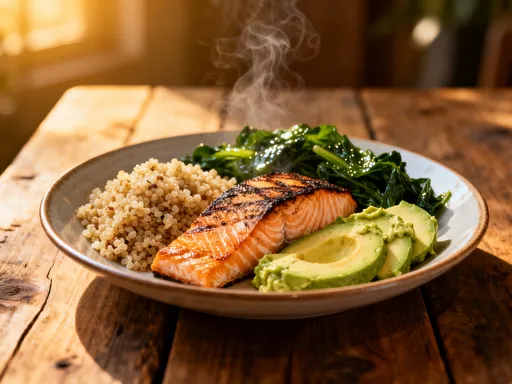
A liver-supportive diet emphasizes whole, unprocessed foods. Vegetables, especially leafy greens, cruciferous types like broccoli and Brussels sprouts, and colorful varieties like bell peppers and carrots, provide fiber, antioxidants, and compounds that support detoxification. Whole grains such as oats, quinoa, and brown rice offer sustained energy without sharp blood sugar spikes. Lean proteins—chicken, turkey, fish, eggs, and legumes—help maintain muscle mass and promote satiety, reducing the urge to snack on unhealthy foods.
Healthy fats are not the enemy. In fact, they are essential. Monounsaturated fats from olive oil, avocados, and nuts, and omega-3 fatty acids from fatty fish like salmon and sardines, have anti-inflammatory properties and can help reduce liver fat. A Mediterranean-style diet, rich in these foods, has been consistently linked to improved liver health in clinical studies. Simple swaps can make a big difference: choose grilled salmon over fried chicken, snack on almonds instead of chips, and dress salads with olive oil and vinegar rather than creamy dressings.
Movement as Medicine: Exercise’s Role in Liver Recovery
Physical activity is a cornerstone of fatty liver management. Exercise helps the body burn stored fat, including fat in the liver, and improves insulin sensitivity—two key factors in reversing NAFLD. The good news is that you don’t need to run marathons or spend hours in the gym. Even moderate-intensity activities, like brisk walking, cycling, or swimming, can lead to significant improvements.
Research shows that engaging in 150 minutes of moderate exercise per week—about 30 minutes a day, five days a week—can reduce liver fat by 10–20% in as little as three months. The benefits go beyond fat loss. Exercise enhances blood flow to the liver, supports mitochondrial function (the energy powerhouses of cells), and reduces inflammation. It also helps regulate appetite and improve mood, making it easier to stick with healthy habits.
For beginners, starting small is key. A 10-minute walk after meals can aid digestion and blood sugar control. Gradually increasing duration and intensity builds endurance without overwhelming the body. Home workouts, yoga, or resistance training with light weights or resistance bands are also effective. The goal is consistency, not perfection. Finding activities you enjoy increases the likelihood of long-term adherence.
Resistance training, in particular, offers unique benefits. Building muscle mass increases the body’s metabolic rate, helping burn more calories even at rest. It also improves glucose uptake by muscles, reducing the burden on the liver. A combination of aerobic and strength training appears to be most effective for liver fat reduction. The important thing is to move regularly—every step counts toward healing.
Weight Management and Liver Health: A Delicate Balance
For many, weight loss is a central part of managing fatty liver. Studies consistently show that losing just 5–10% of body weight can lead to measurable improvements in liver fat, inflammation, and even fibrosis. For someone weighing 200 pounds, that means losing 10 to 20 pounds—a realistic and achievable goal. This level of weight loss has been shown to normalize liver enzymes and, in some cases, reverse early-stage NAFLD.
However, the method of weight loss matters. Rapid, extreme diets—such as very low-calorie plans or prolonged fasting—can actually stress the liver and worsen fat accumulation in some cases. The body may break down muscle for energy, releasing fatty acids that flood the liver. Instead, gradual, sustainable weight loss through balanced nutrition and regular activity is safer and more effective.
Portion control, mindful eating, and behavioral strategies are essential. Eating slowly, recognizing hunger and fullness cues, and avoiding emotional eating help create lasting habits. Keeping a food journal, planning meals ahead, and reducing distractions during meals (like TV or phones) support awareness and accountability. Support from family, friends, or healthcare providers can also make a difference.
It’s important to view weight loss not as a short-term fix but as part of a broader lifestyle shift. The goal is not just a number on the scale, but improved metabolic health. Even without significant weight loss, improving diet quality and increasing physical activity can benefit the liver. The journey is personal, and progress should be measured in energy levels, lab results, and overall well-being—not just pounds lost.
Lifestyle Levers: Sleep, Stress, and Daily Habits
Healing the liver goes beyond food and exercise. Sleep and stress play powerful, often overlooked roles. Chronic sleep deprivation—getting less than 6 hours per night—disrupts hormones that regulate appetite and metabolism. It increases levels of ghrelin (the hunger hormone) and decreases leptin (the fullness hormone), leading to overeating. It also raises cortisol, a stress hormone that promotes fat storage, particularly in the liver and abdomen.
Poor sleep is linked to insulin resistance and higher liver enzyme levels. Establishing a consistent sleep schedule, aiming for 7–8 hours per night, supports metabolic balance. Creating a calming bedtime routine—such as reading, stretching, or meditating—can improve sleep quality. Reducing screen time before bed, avoiding caffeine in the afternoon, and keeping the bedroom cool and dark also help.
Chronic stress has similar effects. When stress is constant, cortisol remains elevated, contributing to blood sugar imbalances and fat accumulation. Mind-body practices like deep breathing, mindfulness, and gentle movement (such as tai chi or walking in nature) can help regulate the stress response. Even simple habits—drinking enough water, taking short breaks during the day, or spending time with loved ones—can reduce stress and support overall health.
Hydration is another often-overlooked factor. Water supports liver function by aiding in toxin elimination and preventing constipation, which can cause a backup of waste in the body. Limiting processed foods, artificial sweeteners, and unnecessary medications also reduces the liver’s workload. Every daily choice, from what you drink to how you rest, contributes to the bigger picture of liver health.
Working with Your Doctor: Monitoring Progress Safely
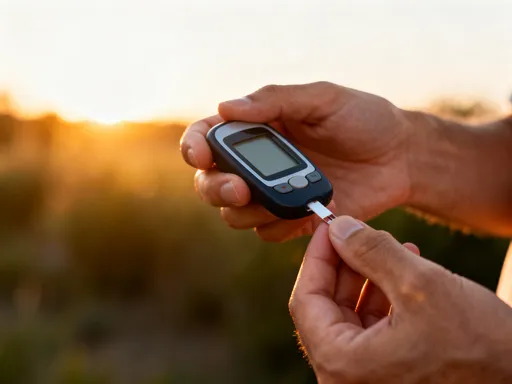
While lifestyle changes are powerful, they work best when combined with medical guidance. Regular check-ups allow for monitoring of liver enzymes, blood sugar, and lipid levels—key markers of metabolic and liver health. Imaging tests like FibroScan, which measures liver stiffness and fat content, provide a non-invasive way to track progress over time. These tools help determine whether interventions are working and whether adjustments are needed.
Open communication with your healthcare provider is essential. Share your goals, challenges, and any symptoms you notice. Ask about the meaning of your lab results and what target ranges are ideal for you. Some individuals may benefit from additional testing, such as HbA1c for blood sugar control or vitamin D levels, which are often low in people with NAFLD.
It’s also important to review all medications and supplements with your doctor. Some drugs, including certain pain relievers and statins, can affect liver function. While most are safe when used as directed, your provider can help assess risks and benefits. Avoid unproven supplements marketed as “liver cleanses”—many lack scientific support and may even be harmful.
Managing fatty liver is not about perfection. It’s about consistent effort, patience, and partnership. Progress may be slow, and setbacks can happen. But each healthy choice—choosing water over soda, taking a walk, getting enough sleep—adds up. With time, many people see improvements in energy, digestion, and lab results. The journey is not just about fixing the liver; it’s about reclaiming vitality and building a healthier, more balanced life.