Why Ball Sports Changed My Daily Routine — And Could Transform Yours
Have you ever felt too busy to exercise but still wanted real results? I did. Then I discovered ball sports — fast, fun, and surprisingly effective. Unlike slow gym routines, a quick game of basketball or soccer gets your heart pumping, mind engaged, and body moving in ways that feel natural. This isn’t just play — it’s smart movement that builds health without feeling like work. What began as a simple attempt to add more activity to my day turned into a lasting lifestyle shift. The energy, clarity, and joy I gained were not just physical — they reshaped how I approach daily life. And the best part? You don’t need special training, expensive equipment, or hours of free time to experience the same transformation.
The Hidden Power of Ball Sports in Everyday Fitness
Ball sports offer a unique form of physical engagement that sets them apart from conventional workouts. While activities like running on a treadmill or lifting weights focus on isolated muscle groups and repetitive motions, ball-based games demand full-body coordination, rapid reactions, and constant adjustments. These elements transform exercise from a chore into dynamic movement that mirrors the way humans naturally move — unpredictably, responsively, and with purpose. The act of catching, throwing, kicking, or hitting a ball activates neural pathways and muscle chains that are often underused in structured gym routines. This integration of physical and cognitive effort makes every moment of play highly efficient for building fitness.
What makes ball sports especially effective is their ability to combine aerobic and anaerobic exercise seamlessly. A single game of handball or volleyball involves short bursts of sprinting, jumping, and pivoting — all of which elevate the heart rate and strengthen the cardiovascular system. At the same time, the need to track the ball, anticipate opponents’ moves, and maintain spatial awareness keeps the brain actively involved. This dual engagement enhances neuroplasticity, the brain’s ability to adapt and form new connections, which supports long-term cognitive health. Research has shown that activities requiring hand-eye coordination and split-second decision-making can improve reaction times and mental processing speed, benefits that extend well beyond the court or field.
Moreover, ball sports naturally promote functional fitness — the kind of strength, balance, and agility needed for everyday tasks. Whether it’s bending to pick up groceries, climbing stairs, or reaching for something on a high shelf, the movements practiced during ball games translate directly to real-life activities. Unlike machines that guide motion along fixed paths, playing with a ball forces the body to stabilize, rotate, and respond to changing forces, building resilience in joints and connective tissues. This functional approach reduces the risk of injury and supports mobility as we age. The result is not just a stronger body, but one that moves with greater ease and confidence in daily life.
From Sedentary to Active: A Real-Life Shift
For many adults, especially those in their thirties to fifties, the transition from a sedentary lifestyle to regular physical activity can feel overwhelming. Long work hours, family responsibilities, and mental fatigue often make traditional exercise seem like an added burden rather than a relief. This was certainly true for me. Despite knowing the benefits of staying active, I struggled to maintain any routine. Walking felt too slow, and gym sessions seemed monotonous and time-consuming. It wasn’t until I joined a casual weekend soccer match with neighbors that I realized movement could be enjoyable — not something to endure, but something to look forward to.
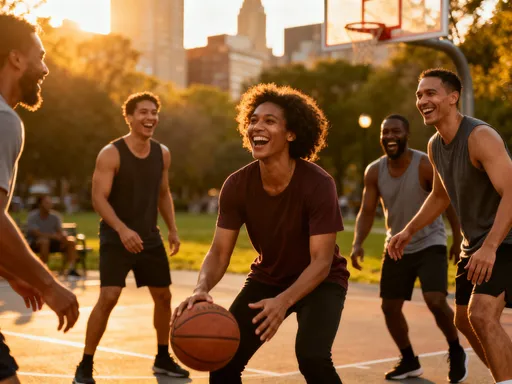
What made the difference was the social and playful nature of the activity. There were no strict rules, no pressure to perform, and no judgment for missed passes or clumsy moves. Instead, there was laughter, encouragement, and a shared sense of purpose. The game itself provided natural motivation — I wasn’t counting reps or minutes; I was simply trying to keep up, have fun, and be part of the group. Within weeks, I noticed changes: more energy during the day, better sleep at night, and a lighter mood overall. My body felt stronger, but more importantly, my mindset had shifted. Exercise was no longer a task on my to-do list — it had become a rewarding part of my routine.
This kind of transformation is not unique. Across communities, people are discovering that accessible, low-pressure ball games can be powerful entry points into an active lifestyle. Office workers play lunchtime badminton. Parents toss a soft ball with their children in the backyard. Retirees gather for gentle pickleball sessions at local recreation centers. These activities may seem minor, but their cumulative impact is significant. They break up long periods of sitting, stimulate circulation, and provide mental refreshment. More than that, they create positive associations with movement — turning what was once avoided into something anticipated. For anyone who has ever felt “too busy” or “too tired” to exercise, ball sports offer a realistic and sustainable alternative.
Why Quick Movement Matters for Long-Term Health
Modern life is built around stillness. From desk jobs to digital entertainment, most daily routines involve prolonged sitting — a habit that research consistently links to increased risks of heart disease, type 2 diabetes, and premature mortality. Yet our bodies evolved for movement, particularly short bursts of intense activity followed by rest. This pattern, known as intermittent or sporadic physical activity, closely resembles the demands of ball sports. Whether you’re dodging an opponent in basketball, sprinting to return a tennis serve, or leaping to catch a frisbee, your body experiences brief spikes in exertion that trigger powerful physiological responses.
One of the most important benefits of these quick movements is their effect on cardiovascular health. Each burst of activity raises the heart rate, improving blood flow and strengthening the heart muscle over time. Unlike steady-state cardio, which maintains a constant pace, these variable intensities challenge the cardiovascular system in diverse ways, enhancing its resilience. Studies have found that even short episodes of vigorous activity — as little as one to two minutes at a time — can significantly reduce the risk of cardiovascular events when accumulated throughout the week. Ball sports naturally incorporate these micro-intervals, making them an efficient way to support heart health without requiring long, dedicated workout sessions.
Beyond the heart, quick movements play a crucial role in metabolic regulation. Intense physical bursts stimulate glucose uptake in muscles, improving insulin sensitivity and helping the body manage blood sugar levels more effectively. This is particularly valuable for middle-aged adults, who may be experiencing early signs of metabolic slowdown. Additionally, these activities activate fast-twitch muscle fibers, which are essential for maintaining muscle mass and power as we age. Because ball sports involve unpredictable directions and speeds, they engage a wider range of muscle fibers than repetitive exercises, leading to more comprehensive muscular development. The result is not just better fitness, but enhanced metabolic health and greater functional independence in later years.
Mental Gains You Didn’t See Coming
While the physical benefits of ball sports are well-documented, their impact on mental well-being is equally profound — yet often overlooked. Engaging in a ball game requires sustained attention, strategic thinking, and real-time problem-solving. You must track the ball’s trajectory, predict where it will go, coordinate with teammates, and react instantly to changing situations. This constant cognitive load strengthens executive functions such as focus, working memory, and mental flexibility. Over time, regular participation can lead to sharper thinking and improved concentration, benefits that carry over into work, parenting, and daily decision-making.
Equally important is the emotional uplift that comes from playing. Physical activity increases the production of endorphins, serotonin, and dopamine — neurotransmitters associated with mood regulation and feelings of pleasure. But ball sports amplify this effect through social interaction and the experience of “flow,” a psychological state in which a person becomes fully immersed in an activity. In flow, self-consciousness fades, time seems to distort, and performance feels effortless. Athletes and casual players alike describe this state as deeply satisfying — a mental reset that reduces stress and enhances emotional resilience. For adults managing the pressures of careers, households, and aging parents, this kind of mental relief is invaluable.
Furthermore, the structured unpredictability of ball games provides a healthy contrast to the monotony of routine life. Unlike passive entertainment such as scrolling through a phone or watching television, playing a sport demands active engagement. This engagement interrupts rumination — the repetitive, often negative thought patterns linked to anxiety and depression. Instead of dwelling on worries, the mind is focused on the present moment: where the ball is, where it’s going, and how to respond. This mindfulness-like effect fosters mental clarity and emotional balance. Over time, regular participation can contribute to a more stable mood, better stress management, and a greater sense of overall well-being.
How to Start Without Pressure or Equipment
One of the most common barriers to starting any new physical activity is the perceived need for preparation — the right clothes, equipment, location, or skill level. With ball sports, however, simplicity is possible. You don’t need a full court, a team, or even a large space to begin. A small rubber ball, a wall, and a few minutes of time are enough to start building healthy habits. For example, throwing a ball against a wall and catching it repeatedly improves hand-eye coordination, engages the core, and elevates the heart rate slightly — all while being completely self-paced and private.
For those with limited mobility or space, seated ball exercises can be equally effective. Rolling a soft ball between the hands, squeezing it gently, or passing it from hand to hand activates fine motor skills and promotes circulation. These movements may seem minor, but they contribute to neuromuscular health and can be especially beneficial for individuals recovering from inactivity or managing chronic conditions. Similarly, using a lightweight racket to hit a balloon or a slow-moving ball indoors offers a safe, low-impact way to practice timing and coordination without strain.
When ready, joining a local pickup game or community league can provide structure and social motivation. Many parks and recreation centers offer beginner-friendly programs in sports like pickleball, softball, or kickball, designed specifically for adults with little or no experience. These environments emphasize participation over performance, making them ideal for building confidence and consistency. The key is to focus on enjoyment rather than achievement. Even five to ten minutes of playful movement each day can lay the foundation for long-term change. The goal is not perfection — it’s progress, one throw, catch, or kick at a time.
Choosing the Right Sport for Your Lifestyle
Not every ball sport suits every person, and that’s okay. The ideal activity depends on individual preferences, physical condition, schedule, and environment. Some sports, like basketball or soccer, involve high-intensity bursts and rapid changes in direction, making them excellent for cardiovascular fitness but potentially stressful on joints for beginners or those with existing conditions. Others, like golf or bocce, offer lower-impact alternatives that still promote movement, coordination, and social connection. The key is to match the sport to your current energy level, physical capabilities, and personal goals.
Tennis, for example, provides a balanced mix of aerobic and anaerobic exercise with controlled intensity. Singles matches require more endurance, while doubles allow for longer rallies with less running. Badminton is another excellent option — fast-paced yet adaptable to skill level, and often played in indoor settings that make it accessible year-round. For those seeking gentle activity, lawn bowling or table tennis offer cognitive engagement with minimal joint strain. Each of these sports supports different aspects of health, from balance and precision to agility and stamina.
Social needs also play a role in choosing the right sport. Some people thrive in team settings where communication and cooperation are central, while others prefer individual or partner-based activities that allow for focused play. Understanding your personality and lifestyle helps ensure long-term adherence. A busy parent might enjoy short, high-energy games that fit into a lunch break, while a retiree may prefer leisurely matches that double as social outings. The flexibility of ball sports means there is no single “right” way to participate — only what works best for you. By aligning activity with personal values and daily rhythms, the likelihood of sustained engagement increases significantly.
Building Health Consciousness Through Play
Perhaps the most transformative aspect of ball sports is the way they shift our relationship with exercise. When movement is tied to enjoyment, it ceases to be something we “should” do and becomes something we *want* to do. This internal motivation is far more sustainable than external pressure. Over time, regular play fosters a deeper awareness of the body — its strengths, limitations, and signals. You begin to notice how movement affects your energy, mood, and sleep. You learn to listen to your body rather than push through discomfort. This mindful approach supports long-term health by encouraging balance, recovery, and self-care.
Moreover, the repetitive yet varied nature of ball games builds discipline without drudgery. Each session reinforces neural and muscular patterns, making coordination and endurance improve naturally. There’s no need for strict tracking or rigid goals — progress happens through consistent engagement. As skills develop, so does confidence. This growing self-assurance often spills over into other areas of life, from making healthier food choices to setting boundaries at work. The act of playing becomes a form of self-respect — a daily commitment to well-being that feels empowering rather than exhausting.
In a world where health advice often feels overwhelming or unrealistic, ball sports offer a refreshingly simple path forward. They remind us that fitness does not have to be complicated, expensive, or time-consuming. It can be as simple as tossing a ball, joining a game, or moving with joy. By embracing play as a legitimate form of self-care, we open the door to lasting change — not through willpower, but through pleasure. And in that shift, we discover something profound: that the best way to care for our bodies and minds may not be through sacrifice, but through the simple, enduring act of play.