What I Learned About Depression and Diet the Hard Way
Depression isn’t just a mood—it’s a full-body experience. I used to think cutting out certain foods would fix everything, but I ended up feeling worse. Turns out, extreme dietary restrictions can backfire when you're adjusting emotionally. This is a real talk about the unseen traps, what science actually says, and how I found balance without losing my mind—or my appetite. It’s easy to believe that food alone can heal deep emotional wounds, especially when so much advice online promises transformation through clean eating. But the truth is more complicated, and my journey taught me that healing requires more than a perfect plate—it demands patience, self-compassion, and a willingness to listen to both body and mind.
The Moment I Realized My Diet Was Making Me Feel Worse
There was a day, about six weeks into my self-imposed “healing diet,” when I sat on the edge of my bed and couldn’t move. It wasn’t physical pain—it was a numbness so deep it felt like my body had forgotten how to function. I had eliminated sugar, gluten, dairy, soy, and processed foods. I drank green juices, ate quinoa bowls with kale and chickpeas, and believed I was doing everything right. Yet, I felt worse than before. My energy was gone. My thoughts were slow and heavy. I cried over small things and withdrew from friends without explanation. That morning, I looked in the mirror and didn’t recognize myself. Not because of how I looked, but because I had lost the joy of living in simple moments—like sharing a meal with someone I loved.
At the time, I believed that if I could just eat purely enough, my depression would lift. The idea made sense: if food affects the body, then cleaner food should create a healthier mind. Influencers shared stories of mood breakthroughs after cutting out inflammatory foods, and scientific studies linked gut health to mental well-being. So I followed the logic. I thought I was being disciplined, responsible, and proactive. But what I didn’t see was that my discipline was becoming obsession. The rules multiplied. A bite of bread became a failure. A slice of cheese felt like betrayal. I stopped going to dinners because I couldn’t trust the food. I was no longer eating to nourish myself—I was eating to avoid punishment.
It took a conversation with my doctor to help me see the shift. She didn’t judge my efforts but asked gently, “Are these changes helping you feel more connected to life—or more isolated?” That question cracked something open. I realized that my pursuit of health had become a cage. I wasn’t managing depression—I was feeding it with restriction, guilt, and fear. The turning point wasn’t dramatic. It was quiet. It was choosing to eat a piece of toast with butter, not because I had failed, but because I was allowing myself to be human again.
Why So Many People Link Diet and Depression (And Where It Gets Messy)
The connection between diet and depression isn’t imaginary—it’s supported by growing scientific evidence. The gut-brain axis, for example, refers to the two-way communication system between the digestive tract and the central nervous system. Trillions of bacteria in the gut produce neurotransmitters like serotonin, dopamine, and GABA, many of which regulate mood. In fact, about 90% of the body’s serotonin is made in the gut. When the gut microbiome is imbalanced, it can contribute to inflammation, which has been linked to depressive symptoms in numerous studies. Nutrients such as omega-3 fatty acids, vitamin D, B vitamins, zinc, and magnesium also play crucial roles in brain function and emotional regulation.
Given this science, it’s no surprise that diets like the Mediterranean diet—rich in vegetables, whole grains, fish, olive oil, and nuts—have been associated with lower rates of depression. Clinical trials have shown that people who follow anti-inflammatory eating patterns often report improved mood and cognitive function. These findings have inspired a wave of interest in nutritional psychiatry, a field that explores how food can support mental health. The intentions behind these dietary approaches are sound: to reduce inflammation, support brain chemistry, and improve overall well-being.
But where it gets messy is in the translation from research to real life. Scientific studies often look at broad dietary patterns across large populations, not individual cures. Yet, many popular wellness messages oversimplify the findings, turning them into rigid rules. Headlines scream, “Eat This, Not That to Beat Depression!” as if swapping almond butter for peanut butter will erase years of emotional struggle. Some influencers promote extreme elimination diets as miracle cures, without acknowledging that what works for one person may not work for another. The danger lies in treating food like a replacement for therapy, medication, or medical care. While diet can support mental health, it is not a standalone treatment for clinical depression. Relying on food alone to heal deep emotional pain can lead to frustration, shame, and further disconnection from one’s needs.
The Hidden Pitfalls of Dietary Restrictions in Emotional Adjustment
When someone is already struggling with low energy, motivation, and emotional numbness, the added burden of strict eating can make recovery harder, not easier. One of the most overlooked risks of restrictive diets is nutrient deficiency. Eliminating entire food groups—like dairy, meat, or grains—without proper planning can lead to gaps in essential nutrients. For example, vitamin B12 is primarily found in animal products. A deficiency in B12 can cause fatigue, memory problems, and mood disturbances—symptoms that mimic or worsen depression. Omega-3 fatty acids, found in fatty fish and flaxseeds, are vital for brain cell function. Iron, especially for women, supports oxygen transport and energy levels. Cutting out these foods without substitution can leave the body undernourished, even if the diet appears “clean” on the surface.
Beyond physical health, social isolation is another hidden cost. Meals are often shared experiences—dinner with family, coffee with a friend, holiday gatherings. When someone avoids these situations due to dietary rules, they lose more than food; they lose connection. Human beings are wired for belonging, and social withdrawal is both a symptom and a trigger of depression. Saying no to every invitation because the menu doesn’t fit a strict protocol can deepen loneliness. Over time, this isolation reinforces the belief that one is different, broken, or unable to participate in ordinary life. The irony is that the very act meant to improve mental health ends up reinforcing the emotional pain it was meant to heal.
Psychologically, restriction fuels a cycle of guilt and shame. When a person labels certain foods as “bad” or “toxic,” a slip-up isn’t just a small choice—it becomes a moral failure. This all-or-nothing thinking is common in depression, where black-and-white beliefs dominate. “If I’m not perfect, I’m a failure” becomes the internal script. Each time a person eats something they’ve deemed unacceptable, they may spiral into self-criticism, which only deepens depressive symptoms. The mind starts to equate worth with control, and food becomes a battleground. This mindset doesn’t foster healing—it entrenches suffering.
When “Healthy” Eating Crosses Into Unhealthy Territory
There’s a condition called orthorexia nervosa, not yet formally recognized in all diagnostic manuals but increasingly discussed in clinical settings. It describes an unhealthy obsession with eating “pure” or “correct” foods. Unlike anorexia, which focuses on weight and quantity, orthorexia centers on quality and purity. A person may spend hours researching ingredients, planning meals, and avoiding social events to maintain their standards. At first, this behavior may seem like dedication to health. But over time, it becomes rigid, distressing, and disruptive to daily life. The person feels intense anxiety when faced with “unclean” food and may judge others for their eating choices. Self-worth becomes tied to dietary perfection.
Orthorexia often overlaps with depression, especially in individuals already prone to perfectionism or anxiety. Mood disorders can distort thinking, making it harder to see balance. A person in a depressive episode may latch onto dietary control as a way to regain a sense of agency. When so much feels out of control—emotions, energy, motivation—controlling food can feel like the only thing within reach. But this control is fragile. One deviation can trigger a cascade of self-blame, leading to deeper withdrawal and emotional shutdown. The cycle repeats: restrict, slip up, feel guilty, isolate, feel worse, restrict harder.
Recognizing this pattern is the first step toward change. Signs to watch for include spending more than three hours a day thinking about food, feeling anxious about meals outside the home, avoiding social events due to food concerns, and feeling superior to others based on eating habits. If eating stops being enjoyable and starts being a source of stress, it’s time to reevaluate. Health is not just physical—it includes emotional and social well-being. A truly healthy relationship with food allows for flexibility, pleasure, and connection, not fear and control.
What Actually Helps: A Smarter, Kinder Approach to Food and Mood
Healing begins not with more rules, but with more compassion. The most important shift I made was moving from elimination to inclusion. Instead of asking, “What should I cut out?” I started asking, “What can I add in?” This small change reduced anxiety and opened space for nourishment without pressure. Adding a serving of leafy greens, a piece of fruit, or a handful of nuts to my day didn’t feel like a restriction—it felt like a gift. Over time, these small additions naturally displaced less nutritious choices, not through force, but through habit and satisfaction.
Consistency matters more than perfection. Skipping meals, especially when appetite is low, can worsen mood and energy. Blood sugar swings affect brain function, leading to irritability, brain fog, and fatigue. Eating regular meals—even small ones—helps stabilize mood. It’s not about eating gourmet, organic, or Instagram-worthy plates. It’s about showing up for yourself, meal after meal, with kindness. A bowl of oatmeal with banana, a sandwich with turkey and avocado, a bowl of soup with crackers—these ordinary foods are powerful when eaten regularly and without guilt.
Flexibility is key. No single food causes depression, and no single food cures it. The goal is not purity, but balance. This means allowing room for both nutrient-dense foods and comforting ones. A piece of cake at a birthday party, a slice of pizza on a tired night—these are not failures. They are part of a full life. Self-compassion means treating yourself with the same care you would offer a friend. If a friend slipped up on their diet, would you call them weak or lazy? Or would you remind them that everyone has off days, and progress isn’t linear? Applying that same kindness to oneself reduces shame and builds resilience.
Practical Steps That Made a Difference in My Daily Life
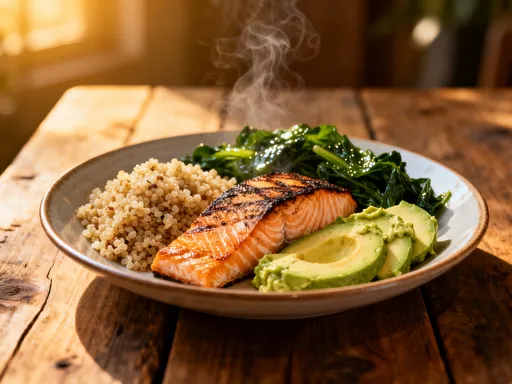
I started by building a simple, balanced plate: protein, fiber, healthy fats, and color. For breakfast, that might mean eggs with spinach and a slice of whole grain toast. Lunch could be a salad with grilled chicken, beans, olive oil, and tomatoes. Dinner might include salmon, sweet potato, and broccoli. I didn’t count calories or track macros. I used visual cues: half the plate vegetables, a quarter protein, a quarter whole grains or starchy vegetables. This approach gave me structure without rigidity. I also made sure to include snacks—yogurt with berries, apple with peanut butter—so I wouldn’t get too hungry between meals.
Reintroducing foods I had feared was one of the most liberating steps. I started with small portions of bread, then dairy, then occasional treats. I paid attention to how I felt—not just physically, but emotionally. To my surprise, most foods didn’t make me feel worse. In fact, eating a warm roll with soup at a friend’s house made me feel included, comforted, and human. The anxiety I had associated with these foods began to fade. I learned that fear, not the food itself, had been the real burden.
Small habits made a big difference. I set regular meal times, even when I wasn’t hungry. I practiced mindful eating—sitting down, chewing slowly, noticing flavors and textures. I planned meals without obsessing—keeping staples like frozen vegetables, canned beans, and whole grains on hand so I wouldn’t resort to skipping meals on hard days. I stopped following social media accounts that made me feel guilty about eating. Instead, I followed voices that promoted balance, body respect, and mental well-being. These changes didn’t fix everything overnight, but they created a foundation for healing.
Putting It All Together: Food as Support, Not a Cure
Diet is one piece of a much larger puzzle. Depression is influenced by genetics, life experiences, brain chemistry, sleep, movement, and relationships. No single factor holds all the answers. Food can support mental health, but it cannot replace therapy, medication, or human connection. I eventually started counseling, which helped me understand the roots of my perfectionism and self-criticism. I worked on sleep hygiene, started walking daily, and reconnected with friends. Nutrition was part of the picture, but it was not the whole story.
Letting go of the search for a “magic diet” was freeing. I stopped chasing quick fixes and embraced gradual progress. Healing isn’t about control—it’s about care. It’s about listening to your body, honoring your emotions, and making choices that support long-term well-being, not short-term purity. When depression lingers, the most powerful act is often simply showing up for yourself, again and again, with gentleness.
If you’re struggling, know this: you don’t have to have it all figured out. Start small. Eat one nourishing meal. Call a friend. Talk to a doctor. Seek support from a registered dietitian or mental health professional. These steps matter more than any perfect diet. Your worth is not determined by what you eat or don’t eat. It’s inherent. And healing, in all its messy, imperfect forms, is possible—not because you’ve eliminated every “bad” food, but because you’ve chosen to care for yourself, exactly as you are.