Time Slows Down When You Know How
Aging isn’t just about wrinkles or gray hair—it’s deeply tied to how well our bodies resist disease and stay strong over time. I’ve seen people half my age struggle with fatigue, joint pain, and doctor visits that never seem to help. But here’s what changed everything: small, science-backed habits that don’t take hours a day. This is not a miracle fix. It’s real, tested, and quietly powerful. Let me show you what actually works.
The Hidden Link Between Aging and Disease
Many people assume that chronic illness is an inevitable part of growing older. Yet research increasingly shows that while time moves forward, the rate at which our bodies deteriorate is not fixed. Biological aging—the gradual decline in how our cells function—plays a central role in increasing susceptibility to conditions like heart disease, type 2 diabetes, arthritis, and cognitive decline. These are not simply “old age” problems; they are signs of accelerated cellular aging. The difference between someone in their 60s hiking mountain trails and another needing daily medication often comes down to how well their body has maintained its internal systems.
One key concept that shifts the conversation is healthspan—the number of years lived in good health, free from serious disease or disability. Unlike lifespan, which only measures how long we live, healthspan reflects the quality of those years. A person might live to 90 but spend the last two decades managing multiple chronic conditions, while another could remain active, independent, and energetic well into their 80s. The goal, then, is not just to add years to life, but life to years. This distinction changes everything about how we approach aging.
At the cellular level, three interconnected processes drive much of this decline: chronic inflammation, oxidative stress, and mitochondrial dysfunction. Inflammation, when constant and low-grade, damages tissues over time and is linked to nearly every major age-related disease. Oxidative stress occurs when unstable molecules called free radicals outnumber the body’s natural antioxidants, leading to DNA and cell damage. Meanwhile, mitochondria—the energy powerhouses inside our cells—become less efficient with age, reducing energy output and increasing cellular waste. Together, these forces create a slow but steady erosion of function.
Consider a woman in her early 50s who begins experiencing knee pain. She assumes it’s just wear and tear, perhaps something she inherited. But in many cases, joint degeneration isn’t just about physical use—it’s fueled by systemic inflammation and muscle loss that started years earlier. The same processes that weaken cartilage also contribute to insulin resistance and cardiovascular stiffness. These are not isolated issues; they are symptoms of a body aging faster than it needs to. The good news is that each of these drivers can be influenced by lifestyle choices, long before symptoms become severe.
Why Most Anti-Aging Efforts Miss the Mark
Walk into any pharmacy or browse online wellness stores, and you’ll find countless products promising to turn back the clock—creams, supplements, devices—all claiming to fight aging. Yet for many, these solutions offer little more than temporary confidence without addressing the root causes of decline. The truth is, most anti-aging strategies fail because they focus on appearance rather than function. Smooth skin may look youthful, but it doesn’t protect against high blood pressure or declining muscle strength. True aging resilience comes from within, supported by metabolic health, hormonal balance, and the body’s ability to repair itself.
One common misconception is that aging begins in the skin. While sun exposure and skincare matter, the deeper story unfolds at the cellular level. Another myth is that expensive supplements or exotic treatments are necessary. In reality, many widely marketed anti-aging pills lack strong scientific backing. Some may even disrupt natural hormone balance or place unnecessary strain on the liver. The most effective tools for slowing aging are not sold in jars—they are built into daily routines: movement, food, sleep, and stress management.
Another limitation of conventional approaches is their reactive nature. Medicine often waits for disease to appear before intervening—treating high cholesterol after a heart scan, managing blood sugar after a diabetes diagnosis. But by then, the underlying damage has been accumulating for years. Proactive health, on the other hand, focuses on prevention. It asks: What can we do today to reduce inflammation, support insulin sensitivity, and maintain muscle mass? This shift—from waiting to acting—is what separates those who age with vitality from those who merely survive.
True anti-aging is not about denying the passage of time. It’s about aligning with the body’s natural rhythms and supporting its innate repair systems. This means understanding that disease prevention and healthy aging are not separate goals—they are two sides of the same coin. A lifestyle that lowers the risk of heart disease also slows cellular aging. A routine that supports joint health also enhances mobility and independence. When we stop treating symptoms and start nurturing systems, we begin to change the trajectory of how we age.
Move Smarter, Not Harder: The Power of Strategic Exercise
Physical activity is one of the most powerful tools for slowing biological aging, yet many people either do too little or approach it in ways that don’t deliver lasting results. The key is not intensity alone, but strategy. Three types of movement stand out for their proven impact: strength training, mobility work, and consistent low-intensity activity throughout the day. Each plays a unique role in preserving function, reducing disease risk, and maintaining independence as we age.
Strength training, in particular, is a cornerstone of healthy aging. As early as our 30s, we begin to lose muscle mass at a rate of about 3–5% per decade—a process called sarcopenia. This loss doesn’t just affect appearance; it directly impacts metabolism, balance, and insulin sensitivity. Muscle tissue is metabolically active, meaning it burns calories even at rest. When muscle declines, so does the body’s ability to regulate blood sugar, increasing the risk of type 2 diabetes. Strength training counters this by stimulating muscle growth and improving glucose uptake, effectively turning the body into a more efficient energy processor.
The good news is that you don’t need hours in the gym to benefit. Short, focused sessions of resistance exercises—such as bodyweight squats, resistance band rows, or dumbbell presses—done two to three times per week can make a significant difference. Even 15–20 minutes of structured strength work can preserve muscle mass and boost functional strength. For those new to exercise, starting with chair stands or wall push-ups provides a safe entry point. The goal is consistency, not perfection.
Mobility work—gentle stretching, joint rotations, and mindful movement—supports flexibility and reduces stiffness. Unlike intense stretching before exercise, mobility focuses on maintaining the full range of motion in joints, which becomes increasingly important with age. Stiff hips or tight shoulders aren’t just inconveniences; they contribute to poor posture, imbalanced movement patterns, and higher injury risk. Simple daily routines, like shoulder rolls, ankle circles, or seated spinal twists, take only minutes but help maintain fluid movement over time.
Finally, low-intensity daily activity—often called “non-exercise activity thermogenesis” or NEAT—includes walking, standing, gardening, or climbing stairs. These small movements add up. A person who walks 7,000–10,000 steps daily has been shown to have lower inflammation markers, better cardiovascular health, and improved mood compared to someone who is sedentary. Unlike structured workouts, this kind of activity fits naturally into life and doesn’t require special equipment or scheduling.
Together, these three movement strategies create a protective effect. They reduce chronic inflammation, support joint health, and enhance metabolic resilience. Over time, they help the body move more freely, recover faster, and resist the slow decline that many assume is unavoidable. The message is clear: you don’t have to train like an athlete to age well. You just have to move with purpose, every day.
Food as Longevity Fuel: What Actually Matters
Nutrition is not about diets that come and go. It’s about giving the body the raw materials it needs to repair cells, regulate hormones, and maintain energy. As we age, our nutritional needs shift. Metabolism slows, muscle preservation becomes more difficult, and the body’s ability to manage blood sugar diminishes. This means that what we eat—and how we eat—has an outsized impact on how we age.
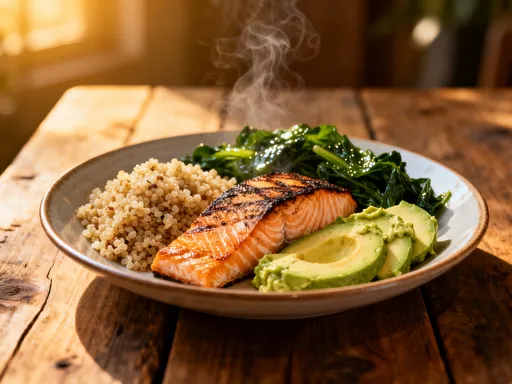
The focus should be on nutrient density: getting the most vitamins, minerals, and protective compounds per calorie. This means prioritizing whole, minimally processed foods—vegetables, fruits, legumes, nuts, seeds, high-quality proteins, and healthy fats. These foods provide the building blocks for cellular repair and help neutralize oxidative stress. For example, leafy greens are rich in antioxidants and magnesium, both of which support heart and nerve function. Fatty fish like salmon supply omega-3 fatty acids, which reduce inflammation and support brain health. Eggs, poultry, and legumes offer high-quality protein essential for maintaining muscle.
Protein deserves special attention. As we age, the body becomes less efficient at using dietary protein to build and repair muscle—a condition known as “anabolic resistance.” To counter this, spreading protein intake evenly across meals—about 25–30 grams per meal—can optimize muscle synthesis. A breakfast of Greek yogurt with nuts, a lunch with grilled chicken and quinoa, and a dinner with lentils or fish create a steady supply of amino acids, helping to preserve strength and metabolic rate.
Healthy fats, particularly monounsaturated and omega-3 fats, play a crucial role in hormone production, brain function, and reducing inflammation. Avocados, olive oil, nuts, and fatty fish are excellent sources. Fiber, found in vegetables, fruits, beans, and whole grains, supports gut health and stabilizes blood sugar, preventing energy crashes and insulin spikes that accelerate aging. Phytonutrients—natural compounds in colorful plant foods—act as cellular protectors, helping to defend against oxidative damage.
It’s also important to avoid extreme dietary trends that may backfire over time. Very low-calorie diets, for instance, can lead to muscle loss and slowed metabolism. Overly restrictive plans may cause nutrient deficiencies or disrupt hormone balance, especially in women. The goal is not perfection, but sustainable patterns. Eating regular, balanced meals, minimizing ultra-processed foods, and staying hydrated are more impactful than any short-term diet. Food should be a source of nourishment and enjoyment, not stress.
Sleep and Stress: The Silent Accelerators of Aging
If there were a single factor that influences nearly every aspect of aging, it would be sleep. Poor sleep doesn’t just leave you tired—it accelerates cellular aging, weakens immunity, and increases the risk of chronic disease. During deep sleep, the brain clears out metabolic waste through the glymphatic system, a process essential for cognitive health. Disrupted sleep impairs this cleanup, contributing to brain fog and long-term memory issues. At the same time, lack of rest elevates cortisol, the primary stress hormone, which over time damages tissues, increases belly fat, and suppresses immune function.
Chronic stress acts similarly. When the body remains in a constant state of alert—whether from work pressure, family responsibilities, or financial worries—it produces excess cortisol and adrenaline. These hormones, designed for short-term survival, become harmful when constantly elevated. They increase inflammation, raise blood pressure, and interfere with insulin sensitivity. Over years, this “wear and tear” on the body, known as allostatic load, speeds up biological aging and reduces resilience.
The good news is that both sleep and stress can be improved with simple, evidence-based habits. Creating a consistent bedtime routine signals to the body that it’s time to wind down. This might include dimming lights, avoiding screens an hour before bed, reading a book, or practicing gentle stretching. Keeping the bedroom cool, dark, and quiet supports deeper sleep. Even small changes, like going to bed and waking up at the same time every day, can improve sleep quality over time.
For stress, techniques like diaphragmatic breathing, mindfulness, or short meditation sessions can activate the parasympathetic nervous system—the “rest and digest” mode. Just five to ten minutes of slow, deep breathing in the morning or evening can lower cortisol and improve emotional regulation. Walking in nature, journaling, or engaging in a creative hobby also provide mental relief. The goal is not to eliminate stress—some stress is normal and even beneficial—but to build recovery into daily life.
Consistency matters more than perfection. One poor night of sleep or a stressful week won’t derail progress. But over time, regular rest and stress management create a protective buffer, allowing the body to repair and reset. These habits don’t require special skills or equipment. They require only awareness and small, repeated choices.
Your Body’s Repair Mode: Unlocking Recovery and Resilience
One of the most fascinating aspects of human biology is the body’s ability to clean and renew itself. This process, known as autophagy, literally means “self-eating.” During periods of rest or fasting, cells break down damaged proteins and organelles, recycling them into new components. This cellular housekeeping is essential for preventing the buildup of dysfunctional material that contributes to aging and disease. Autophagy supports brain health, reduces cancer risk, and enhances metabolic flexibility—the body’s ability to switch between fuel sources efficiently.
One practical way to support autophagy is through time-restricted eating (TRE), a form of intermittent fasting that involves limiting food intake to a specific window each day—typically 8 to 12 hours—and fasting for the remainder. For example, eating between 8 a.m. and 6 p.m. and fasting for 14 hours overnight allows the body to complete digestion and enter a repair state. This isn’t about starving or extreme calorie restriction; it’s about aligning eating patterns with natural circadian rhythms. Insulin levels drop during the fasted state, promoting fat burning and cellular cleanup.
Research shows that TRE can improve insulin sensitivity, reduce inflammation, and support weight management—especially around the abdomen, where excess fat increases disease risk. It may also enhance sleep quality and energy levels during the day. For many women, especially in midlife, this approach can help regulate hormones and reduce bloating. Unlike complex diets, TRE is simple to follow and doesn’t require counting calories or eliminating food groups.
However, it’s important to listen to your body. Time-restricted eating is not for everyone, especially those with a history of disordered eating, pregnant or breastfeeding women, or individuals with certain medical conditions. The goal is to support, not stress, the body. Starting with a 12-hour fast (e.g., 7 p.m. to 7 a.m.) and gradually adjusting is a gentle way to begin. Pairing TRE with nutrient-dense meals during the eating window ensures the body gets the fuel it needs.
Recovery isn’t just about fasting. It also includes rest, hydration, and allowing time for digestion. Eating too frequently—snacking from morning until night—keeps the body in constant digestion mode, leaving little time for repair. By creating natural breaks between meals, we give the body space to reset, reduce inflammation, and strengthen resilience.
Building a Life That Ages Gracefully: Small Steps, Big Impact
Longevity is not a destination reached through drastic measures. It is a daily practice built on small, consistent choices. No single habit will stop aging, but together, these science-backed strategies create a powerful cumulative effect. The goal is not to be perfect, but to be persistent. Progress, not intensity, defines success.
Start with one change at a time. Maybe it’s adding a short strength session twice a week. Or swapping a processed snack for a handful of nuts and an apple. Perhaps it’s going to bed 30 minutes earlier or taking five minutes each morning to breathe deeply. These actions may seem small, but over months and years, they shape the trajectory of health. The body responds not to occasional effort, but to repeated signals of care.
These strategies are not reserved for the privileged or the highly disciplined. They are accessible, safe, and adaptable to real life. You don’t need a personal trainer, a chef, or a spa retreat. You need only the willingness to listen to your body and make choices that honor its needs. Aging well is less about fear of decline and more about active stewardship—making space for movement, nourishment, rest, and peace.
When we understand the levers of healthy aging, time begins to feel different. It doesn’t have to speed up as we grow older. With the right habits, it can slow down in the ways that matter—preserving strength, clarity, and joy. You don’t have to accept fatigue, stiffness, or endless doctor visits as normal. You can choose a different path. One step at a time, you can build a life that doesn’t just last longer, but feels better for longer.