Needles, Hands, and Healing: My Low-Key Path to Feeling Way Better
You know that constant shoulder knot? Or the lower back whispering (then screaming) for attention? I’ve been there—stiff, drained, stuck. Then I leaned into acupuncture and massage, not as magic fixes, but as daily tune-ups. No wild claims, just real shifts: better sleep, smoother moves, less 'ouch.' This isn’t about curing anything—it’s about feeling like *you* again. Let me walk you through what actually helped. It started with simply noticing how much I’d accepted discomfort as normal. Over time, small changes added up—not overnight, not dramatically, but in ways that quietly reshaped my days. This is a story of listening to the body, respecting its signals, and finding gentle, consistent ways to respond.
The Ache That Started It All: When Daily Pain Became Impossible to Ignore
For years, the stiffness in my shoulders felt like part of me. I blamed it on long days at the computer, on carrying groceries, on being 'just tired.' But the truth was, I wasn’t just tired—I was carrying tension like a second skin. It showed up as a dull ache behind the shoulder blades, a stiffness when I reached for the top shelf, or a heaviness in my neck by mid-afternoon. Sleep didn’t always help. Some mornings, I woke up feeling like I’d slept wrong—again. The fatigue lingered, not from overwork, but from a body that had stopped moving freely.
What I didn’t realize then was how deeply chronic tension affects more than just muscles. It influences mood, energy, even digestion. When the body is constantly braced, the nervous system stays in a low-grade state of alert. This isn’t dramatic stress—it’s the quiet hum of tension that many women in their 30s, 40s, and 50s learn to ignore. Juggling family, work, household tasks, and personal needs leaves little room to pause and ask, 'How does my body actually feel?' The result? Pain becomes background noise, something to push through rather than address.
Modern life doesn’t help. Hours spent sitting, whether at a desk or in the car, create postural imbalances. Looking down at phones strains the neck and upper back. Emotional stress gets stored physically, often in the jaw, shoulders, or hips. Over time, these habits lead to muscle shortening, reduced circulation, and joint stiffness. The body adapts to poor alignment, but adaptation isn’t health. Eventually, the signals grow louder—a twinge becomes a throb, a stiffness turns into a limitation. For me, it was the moment I couldn’t lift my suitcase without wincing that I finally paused and asked, 'Is this really just part of getting older?'
The answer, I learned, is no. While aging brings natural changes, persistent pain and stiffness aren’t inevitable. They’re signs that the body needs attention, not resignation. The first step wasn’t a dramatic overhaul—it was simply acknowledging that discomfort didn’t have to be my baseline. Once I stopped dismissing the ache as 'just life,' I opened the door to solutions that were gentle, accessible, and deeply effective.
Acupuncture Unpacked: More Than Just Needles (It’s About Energy Flow)
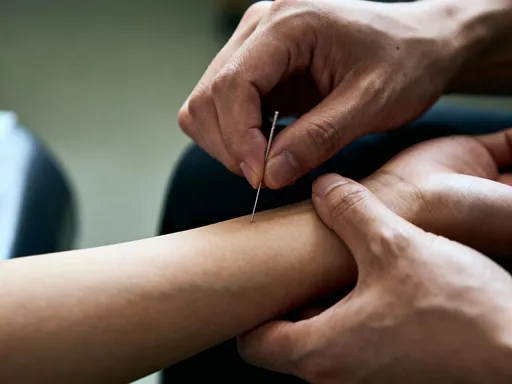
When I first considered acupuncture, I pictured rows of needles and something out of an ancient text. What I found was far more practical. Acupuncture involves the placement of very thin, sterile needles at specific points on the body. These points are mapped in traditional Chinese medicine as pathways—called meridians—through which *qi* (pronounced 'chee') flows. While *qi* is often described as 'life energy,' it can also be understood as a metaphor for the body’s self-regulating systems: circulation, nerve signaling, and tissue repair.
Modern research supports what practitioners have observed for centuries: acupuncture can influence the nervous system, reduce inflammation, and promote relaxation. Studies have shown it may help regulate cortisol, the stress hormone, and stimulate the release of endorphins, the body’s natural pain relievers. It’s not about mysticism—it’s about physiology. When needles are inserted, they create micro-signals that help the body reset. For someone with chronic tension, this can mean a shift from constant 'fight-or-flight' mode to a more balanced, restorative state.
A typical session begins with a brief conversation about how you’re feeling—physically and emotionally. The acupuncturist selects points based on your symptoms. Most people feel little to no pain when the needles go in—often just a brief pinch or tingling. Once in place, the sensation is usually one of deep calm. Many fall asleep. Sessions last 30 to 45 minutes, and the effects can be subtle at first: a sense of lightness, easier breathing, or improved sleep. Over time, the benefits build. For me, the biggest change was in how I responded to stress. I didn’t eliminate it—life still happens—but my body no longer reacted with immediate tension.
Consistency matters more than intensity. One session might offer temporary relief, but regular treatments—weekly or biweekly—help retrain the body’s patterns. Think of it like physical therapy for the nervous system. Over several weeks, I noticed fewer headaches, less shoulder tightness, and a deeper, more restful sleep. Acupuncture didn’t 'fix' me—it helped my body remember how to regulate itself. It’s not a cure-all, but for managing the wear and tear of daily life, it’s become a cornerstone of my routine.
Massage That Actually Helps: Finding the Right Type for Your Body
Massage is often associated with luxury—something saved for spa days or special occasions. But therapeutic massage is different. It’s a clinical tool designed to address specific physical issues. Not all massages are the same, and choosing the right type makes all the difference. For someone dealing with chronic tension, a light Swedish massage might feel nice but won’t reach the deeper layers of muscle and connective tissue where the problem lives.
Deep tissue massage targets the deeper muscle layers and fascia—the connective tissue that wraps around muscles and organs. It uses slower, more focused pressure to release chronic tension and adhesions. Myofascial release is another powerful technique that works with the fascia, gently stretching and loosening restrictions that can pull the body out of alignment. This can be especially helpful for long-standing pain in the back, hips, or neck. Swedish massage, while gentler, still has value—particularly for promoting circulation and relaxation between deeper sessions.
What sets therapeutic massage apart is intention. The goal isn’t just to feel good in the moment, but to create lasting change. During a session, the therapist assesses muscle tone, identifies tight areas, and adjusts pressure accordingly. Communication is key. A good therapist will check in, ask about pain levels, and tailor the session to your needs. You should never feel like you have to 'tough it out.' Real progress happens when the body feels safe, not forced.
Finding the right practitioner matters. Look for someone who is licensed and trained in therapeutic techniques, not just relaxation massage. Word of mouth, online reviews, and recommendations from healthcare providers can help. Once you find a skilled therapist, regular sessions—every two to four weeks—can prevent tension from building up. For me, massage became less about 'treating' pain and more about maintaining mobility and comfort. It’s now a non-negotiable part of my self-care, like brushing my teeth or drinking water.
How These Two Work Better Together: The Synergy of Needle and Touch
At first, I treated acupuncture and massage as separate solutions. But over time, I realized they work best as a team. There’s a natural rhythm between them—one prepares the body, the other releases it. Acupuncture helps calm the nervous system, which makes the muscles more receptive to massage. When the body is in a state of stress, muscles guard themselves, making deep work less effective and sometimes uncomfortable. But after an acupuncture session, that guarding response softens. The body is more open, more ready to let go.
Massage, in turn, helps the body integrate the shifts initiated by acupuncture. Needles may signal the nervous system to relax, but massage physically unwinds the knots and improves circulation to tight areas. Together, they create a feedback loop of healing. I’ve found that scheduling acupuncture early in the week—say, on a Monday—sets a calm tone for the days ahead. Then, a midweek massage helps release any tension that’s crept back in. The combined effect is longer-lasting relief and a deeper sense of balance.
This synergy isn’t just theoretical. Many integrative health clinics now offer both services under one roof for this very reason. Practitioners often coordinate care, adjusting techniques based on what the other has done. For example, if acupuncture has targeted nerve pathways related to the lower back, the massage therapist can focus on the surrounding muscles to support that work. It’s a holistic approach—one that treats the body as a connected system, not a collection of isolated parts.
The result? Faster recovery, less rebound tension, and greater body awareness. I’ve learned to notice when my shoulders start to creep up toward my ears, or when my breath becomes shallow. These are early warning signs that I can address before they turn into full-blown discomfort. By combining acupuncture and massage, I’ve built a buffer against the daily grind. It’s not about eliminating stress—it’s about giving my body the tools to handle it with more resilience.
Small Habits, Big Shifts: Pairing Treatments with Daily Moves
No amount of acupuncture or massage can undo the effects of sitting for eight hours a day without some daily support. Healing isn’t confined to the treatment room—it extends into the choices we make every hour. The most powerful changes have come from tiny, consistent habits that take less than five minutes but make a noticeable difference.
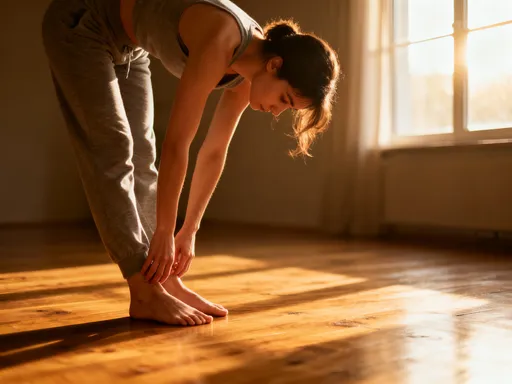
Morning stretches are now my non-negotiable. Before I even get out of bed, I do a few gentle movements: neck rolls, shoulder shrugs, and a slow spinal twist. It takes two minutes, but it signals to my body that the day has begun and helps release overnight stiffness. Throughout the day, I set hydration reminders. Dehydration worsens muscle cramps and fatigue, so keeping water nearby has been simple but transformative. I also do posture checks—especially when working at my desk. A quick reset—shoulders down, chin back, feet flat—can prevent hours of strain.
Mindful breathing is another tool. When I feel tension rising, I take three slow, deep breaths—inhaling through the nose, exhaling through the mouth. This simple act activates the parasympathetic nervous system, the body’s 'rest and digest' mode. It’s not a cure, but it creates a pause, a moment of reset. I’ve also incorporated short walks after meals. Even ten minutes of light movement boosts circulation and prevents stiffness from settling in.
Gentle yoga or stretching in the evening helps me unwind. I don’t do advanced poses—just basic stretches for the hamstrings, hips, and back. These micro-movements keep my body supple and support the work done during treatments. The key is consistency, not intensity. I don’t need to be perfect. Some days, I forget. But on the days I do these small things, I feel the difference. Over time, they’ve become automatic—less of a chore, more of a quiet promise to myself.
When to Talk to a Pro: Listening to Your Body Without Overreacting
Self-care is powerful, but it’s not a substitute for professional guidance. There’s a difference between everyday tension and symptoms that need medical attention. Sharp, shooting pain, numbness, tingling, or loss of mobility are signs to consult a healthcare provider. While acupuncture and massage can be excellent supportive therapies, they should complement—not replace—diagnostic care.
Finding qualified practitioners is essential. For acupuncture, look for someone licensed by your state’s board or certified by the National Certification Commission for Acupuncture and Oriental Medicine (NCCAOM). For massage, choose a therapist who is certified by a recognized body like the National Certification Board for Therapeutic Massage & Bodywork (NCBTMB) and trained in therapeutic techniques. A good provider will listen, ask questions, and respect your boundaries. Treatments should never cause pain. Discomfort might occur when working on tight areas, but it should never feel like injury.
It’s also important to communicate openly. Tell your therapist about any medical conditions, injuries, or medications you’re taking. This ensures safe, effective care. If something doesn’t feel right, speak up. You are in charge of your body. Trust your instincts. I’ve learned that advocating for myself—asking questions, setting limits, seeking second opinions—is part of being responsible for my health.
Integrative care works best when it’s part of a broader health strategy. I still see my primary care provider for annual checkups. I use acupuncture and massage as tools to maintain function and comfort, not as replacements for medical treatment. This balanced approach has given me confidence—not just in my body, but in my ability to care for it wisely.
My New Normal: How I Stay Balanced Without Obsessing Over It
It’s been over two years since I started this journey. I won’t say I’m pain-free every day—life happens. But my baseline has shifted. The constant shoulder knot? Gone. The morning stiffness? Rare. I sleep more deeply, move more easily, and handle stress with more grace. These aren’t dramatic changes, but they’ve transformed my daily experience. I feel more like myself—calmer, stronger, more present.
The biggest shift has been in my mindset. I no longer see body care as something I do when I’m broken. It’s now a quiet, consistent practice—a way of honoring my body while it carries me through life’s demands. I don’t obsess over perfection. Some weeks, I miss a session. Some days, I sit too long. But I’ve built resilience. When tension creeps back, I have tools to address it quickly. I don’t wait for pain to become unbearable. I listen earlier. I respond sooner.
This path isn’t about extreme routines or expensive gadgets. It’s about small, sustainable choices—acupuncture, massage, daily stretches, hydration, and rest. It’s about recognizing that healing isn’t a destination, but a rhythm. Some days are smoother than others, and that’s okay. What matters is showing up, consistently, with kindness and attention.
For women in the middle years—juggling roles, managing change, carrying responsibilities—this kind of care isn’t indulgence. It’s necessity. It’s how we stay strong, not just for our families, but for ourselves. By investing in our physical well-being, we gain energy, clarity, and peace. We don’t have to live with the ache. We can choose to respond—with needles, with hands, with small daily acts of care. And in doing so, we rediscover what it feels like to move through the world with ease, strength, and quiet confidence.