How I Finally Made Flexibility a Natural Part of My Daily Life
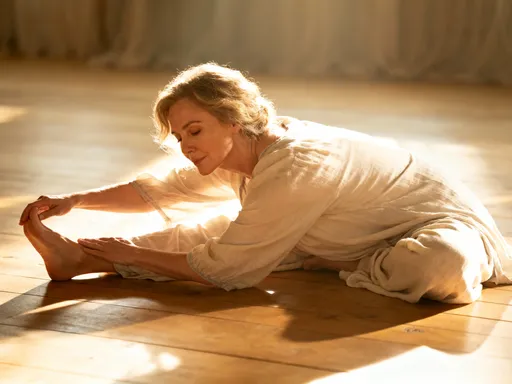
For years, I thought being flexible was just for yogis or dancers—until I started feeling stiff every morning and realized something had to change. Flexibility isn’t just about touching your toes; it’s about moving freely, staying injury-free, and feeling good in your body every day. What I discovered wasn’t a quick fix, but a simple, practical shift in how I move throughout the day. This is how I turned flexibility into a sustainable habit, and why it’s one of the best lifestyle upgrades I’ve ever made.
The Hidden Cost of Stiffness (And Why It’s Not Just About Age)
Poor flexibility often creeps in quietly, mistaken as a normal part of aging. But stiffness is not an inevitable consequence of getting older—it’s largely a product of how we live. Many adults experience joint discomfort, lower back tightness, or difficulty bending down, yet they assume these are simply signs of time passing. In reality, these symptoms are more closely linked to prolonged sitting, repetitive movements, and lack of dynamic motion than to age itself. When muscles remain inactive for long periods, they adapt by shortening and losing elasticity. This leads to reduced range of motion, which can affect everything from walking comfortably to lifting groceries or playing with children.
The impact of poor flexibility goes beyond minor inconvenience. It increases the risk of strains, sprains, and overuse injuries, especially during everyday activities like reaching, twisting, or climbing stairs. For example, tight hamstrings can pull on the lower back, contributing to chronic discomfort. Similarly, restricted hip flexors from sitting all day can alter posture, leading to pelvic misalignment and increased pressure on the spine. Over time, these small imbalances accumulate, making movement feel effortful rather than effortless. The good news is that much of this stiffness is reversible with consistent, mindful movement.
What many people overlook is the concept of functional flexibility—the ability to move well in daily life, not just in a yoga studio. This kind of flexibility supports independence, balance, and physical confidence. It means being able to squat down to tie a shoe, turn your head while reversing the car, or reach into a high cabinet without pain. Unlike performance-based flexibility, which might focus on extreme ranges of motion, functional flexibility prioritizes practical, usable movement. Shifting the focus from aesthetics to function makes the practice more relevant and sustainable, especially for adults managing busy lives and physical demands.
My Flexibility Wake-Up Call: A Personal Turning Point
The moment that changed everything was simple: I bent down to tie my daughter’s shoe and couldn’t straighten up without wincing. It wasn’t dramatic, but it was alarming. At that moment, I realized my body wasn’t just stiff—it was sending me a message. I had spent years prioritizing productivity over movement, sitting through meals, working late at my desk, and treating exercise as something to squeeze in only when possible. Stretching, if I did it at all, was reserved for the occasional 20-minute session after a rushed workout. It felt like another chore, not a form of care.
I tried following online flexibility routines, some promising dramatic results in weeks. But the truth was, I rarely stuck with them. The stretches were often too intense, required equipment I didn’t have, or took more time than I could spare. I’d feel good for a day or two, then fall back into old habits. The real shift came when I stopped thinking of flexibility as a separate fitness goal and began to see it as part of how I lived. Instead of asking, “How can I become more flexible?” I started asking, “How can I move better throughout the day?” That subtle change in mindset made all the difference.
I began to notice how my body responded to small choices: how my shoulders rose toward my ears when I was stressed, how my hips felt tight after a long drive, how my neck ached after hours of looking at a screen. These weren’t just discomforts to ignore—they were signals. Once I started paying attention, I realized that flexibility wasn’t about achieving a perfect pose. It was about listening to my body, respecting its limits, and giving it what it needed to function well. That awareness became the foundation of a new, more sustainable approach.
The Myth of “No Time”: How Micro-Movements Add Up
One of the biggest barriers to building a flexibility habit is the belief that it requires a lot of time. Many people assume they need 30-minute stretching sessions or a full yoga class to see any benefit. But research in movement science shows that short, frequent movements are often more effective for improving tissue elasticity than occasional long sessions. The body responds well to consistency. Just as brushing your teeth for two minutes twice a day prevents dental problems, moving your joints and muscles regularly helps maintain their health and mobility.
The key is to integrate micro-movements into existing routines. This concept, known as habit stacking, involves pairing a new behavior with an established one. For example, after brushing your teeth in the morning, you might do two minutes of gentle neck rolls and shoulder stretches. After finishing lunch, you could stand up and perform a seated forward fold. These small actions take little time and don’t require special clothing or equipment. Over time, they add up, creating a cumulative effect on muscle length, joint lubrication, and nervous system regulation.
Another benefit of micro-movements is that they reduce the mental resistance to stretching. When flexibility feels like a big commitment, it’s easy to put it off. But when it’s just a few minutes attached to something you already do, it becomes manageable. Studies suggest that habits are more likely to stick when they are simple, specific, and tied to daily cues. By anchoring stretching to routine activities, you create natural reminders that make the practice feel less like an extra task and more like a natural part of your rhythm.
The 3 Daily Moves That Made the Biggest Difference
Out of all the stretches I’ve tried, three stand out as the most effective for counteracting the effects of daily life. These are not advanced poses—they are simple, accessible movements that target common areas of tightness: the lower back and hamstrings, the hips, and the chest and shoulders. Each one addresses a specific postural challenge created by modern living, and each can be done in under two minutes.
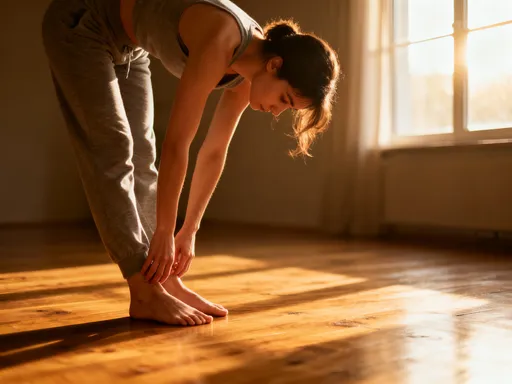
The first is the seated forward fold. Sitting on the edge of a chair with feet flat on the floor, you hinge at the hips and reach your hands toward your toes. This stretch gently lengthens the hamstrings and lower back, areas that often tighten from prolonged sitting. The key is to keep the spine long and avoid rounding the back. Breathing deeply into the stretch helps relax the muscles and improves effectiveness. Doing this for just 60 seconds after sitting for an hour can significantly reduce stiffness and improve circulation to the lower body.
The second is the standing hip flexor release. This targets the front of the hip, where the hip flexor muscles become shortened from sitting. To do it, step one foot back into a gentle lunge, keeping the back knee hovering or resting on a cushioned surface. Tuck the pelvis slightly and press the hips forward until you feel a stretch in the front of the back leg’s hip. This movement not only improves hip mobility but also supports better posture and reduces lower back strain. It’s especially helpful after long periods of driving or desk work.
The third is the doorway chest opener. Stand in a doorway with arms bent at 90 degrees and hands on the frame. Step one foot forward, allowing your chest to move through the doorway, stretching the front of the shoulders and chest. This counteracts the forward shoulder posture caused by typing, texting, and screen use. Over time, this simple stretch helps open the upper body, improve breathing capacity, and reduce neck tension. Performing it twice a day—once in the morning and once in the evening—can lead to noticeable improvements in posture and comfort.
Beyond Stretching: Lifestyle Tweaks That Boost Flexibility Naturally
While stretching is important, flexibility is influenced by more than just physical movement. Hydration, sleep quality, and stress levels all play a role in how muscles respond to stretching and daily demands. Muscles are made up of about 75% water, and even mild dehydration can make them feel tighter and more prone to cramping. Staying consistently hydrated throughout the day supports tissue elasticity and helps muscles glide smoothly over one another during movement.
Sleep is another critical factor. During deep sleep, the body repairs tissues, regulates inflammation, and resets the nervous system. Poor sleep can increase muscle tension and reduce pain tolerance, making stiffness feel worse. Prioritizing seven to eight hours of quality rest each night supports recovery and makes stretching more effective. Creating a calming bedtime routine, limiting screen time before sleep, and maintaining a consistent sleep schedule can all contribute to better physical resilience.
Stress, both mental and emotional, also manifests physically. When the body is under stress, it activates the sympathetic nervous system, which can cause muscles to tighten as part of the “fight or flight” response. Chronic stress leads to sustained muscle tension, particularly in the neck, shoulders, and jaw. Incorporating stress management techniques—such as mindful breathing, short walks in nature, or listening to calming music—can help reduce this tension and create a more favorable environment for flexibility.
Environmental changes also make a difference. Using a standing desk, taking walking breaks, or scheduling walking meetings encourages natural movement throughout the day. Even small choices, like parking farther away or taking the stairs, add up. Footwear matters too—wearing supportive shoes with adequate arch support helps maintain proper alignment from the feet up through the spine. Avoiding high heels or flat-soled shoes for long periods can prevent tightness in the calves and Achilles tendon.
Tracking Progress Without the Mirror: What to Pay Attention To
One of the most common frustrations people face is not seeing visible changes in their flexibility. They may not be able to touch their toes yet or achieve a full split, so they assume they’re not making progress. But real improvement in flexibility often shows up in subtle, functional ways. The goal isn’t to impress anyone with a dramatic pose—it’s to move with greater ease, comfort, and confidence in daily life.
Instead of focusing on appearance, pay attention to how your body feels. Are you able to bend down to pick up something without hesitation? Can you turn your head more easily while driving? Do you feel less stiffness in the morning? These are meaningful indicators of progress. Other signs include improved posture, reduced muscle soreness, better sleep quality, and increased energy levels. These benefits may not show up on a tape measure, but they have a real impact on quality of life.
To build awareness, consider keeping a simple journal. Each week, note how certain movements feel—for example, “Today, I could reach my toes without bending my knees.” Or, “I didn’t feel stiff after gardening.” Over time, these observations create a record of improvement that motivates continued practice. You might also use non-scale markers like how long you can hold a stretch comfortably or how much deeper you can go with each breath. Progress in flexibility is rarely linear, but consistent tracking helps you recognize the small wins that lead to lasting change.
Making It Stick: How to Build a Flexibility Habit That Lasts
The science of habit formation shows that lasting change comes from consistency, not perfection. A habit is built through repetition, triggered by a cue and reinforced by a reward. For flexibility, the cue could be finishing a meal, brushing your teeth, or receiving a calendar reminder. The routine is the stretch itself. The reward is the feeling of relief, the sense of accomplishment, or the improved ease of movement that follows.
To increase the chances of success, start small. Commit to just two minutes a day. Choose one stretch and one trigger. For example, after you pour your morning coffee, do the doorway chest opener. After you sit down to dinner, perform the seated forward fold. These tiny actions are easy to do and hard to justify skipping. As they become automatic, you can gradually add more.
Reminders help too. A sticky note on your desk, a notification on your phone, or a habit-tracking app can keep flexibility top of mind. But the most powerful motivator is self-compassion. Missing a day doesn’t erase progress. Flexibility, like any aspect of health, is a long-term practice. There will be days when you’re too tired, too busy, or simply forget. That’s normal. The goal isn’t to be perfect—it’s to return to the practice, again and again, without judgment.
Over time, these small acts of movement become a form of self-care. They send a message to your body and mind that you matter. You’re not doing this to look a certain way or meet someone else’s standard. You’re doing it to feel better, to move with greater freedom, and to support your body through the years. That kind of motivation is deeply personal—and far more sustainable than any external goal.
Flexibility isn’t a performance goal—it’s a daily act of caring for your body. By making small, intentional moves part of your routine, you’re not just loosening muscles; you’re reclaiming ease, freedom, and resilience in everyday life. This isn’t about becoming someone else; it’s about feeling more like yourself, one stretch at a time.