How I Tamed My Blood Sugar — A Real Talk on Daily Monitoring and Small Wins
Living with fluctuating blood sugar can feel like being on a rollercoaster with no exit. I’ve been there—fatigued, foggy, and frustrated. But over time, I discovered that consistency beats perfection. By building a simple, systematic routine around health monitoring, I gained control and clarity. This isn’t about extreme diets or miracle fixes. It’s about smart, sustainable habits that add up. Here’s what actually worked for me.
The Wake-Up Call: Recognizing the Problem
For years, I chalked up my fatigue to a busy life. I was a mother of two, juggling work, household duties, and family needs. When I felt sluggish after lunch or irritable in the afternoon, I assumed it was normal. I reached for coffee or a snack, thinking it would help. But the fog never fully lifted. My energy dipped unpredictably, and my mood followed. I didn’t connect the dots until my annual physical revealed elevated fasting glucose levels. The doctor mentioned prediabetes—not diabetes yet, but a warning sign. At first, I didn’t take it seriously. I thought prediabetes was just a label for people who ate too much sugar. I didn’t consider that my seemingly healthy diet might still be affecting my metabolism.
What I didn’t understand then was that blood sugar imbalances often develop silently. There are no dramatic alarms, no flashing lights—just gradual changes that blend into daily life. Many women in their 30s, 40s, and 50s experience similar symptoms but dismiss them as stress or aging. The truth is, insulin resistance—the condition where cells stop responding well to insulin—can begin years before a formal diagnosis. Insulin is the hormone that helps glucose enter cells for energy. When cells resist it, glucose builds up in the bloodstream, leading to spikes and crashes. Over time, this strain can lead to type 2 diabetes, heart disease, and other health concerns. But the good news is that early detection allows for meaningful intervention.
My wake-up call came when I realized that my post-meal crashes weren’t normal. I would eat what I thought was a balanced lunch—maybe a sandwich and fruit—and within an hour, I’d feel shaky, unfocused, and exhausted. That’s when I started researching. I learned that even foods labeled “healthy” could cause rapid glucose spikes if they were high in refined carbohydrates or low in fiber. I also discovered that factors like sleep, stress, and physical activity played a bigger role than I’d assumed. This wasn’t just about food; it was about the whole system. Understanding insulin resistance changed my perspective. It wasn’t a personal failure—it was a physiological process that could be managed with the right tools and knowledge.
Why Monitoring Matters: Knowledge Is Power
Before I started tracking my blood sugar, I was making decisions based on guesswork. I thought I knew how my body responded to food, but the data told a different story. The first time I checked my glucose level an hour after eating a bowl of oatmeal with banana, I was shocked. I expected a moderate rise, but instead, the reading was in the high range. That moment was a turning point. Monitoring gave me clarity. It transformed vague feelings into measurable insights. I was no longer reacting to how I felt; I was responding to what was actually happening inside my body. This shift—from intuition to evidence—was empowering. I began to see patterns. Certain meals consistently caused spikes, while others kept my levels steady. This knowledge allowed me to make informed choices rather than relying on assumptions.
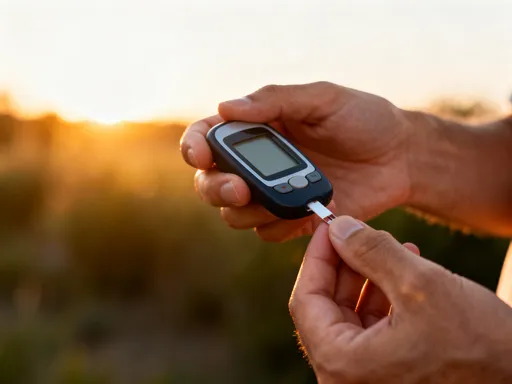
There’s a big difference between occasional checks and consistent monitoring. A single blood sugar test at the doctor’s office provides a snapshot, but it doesn’t show the full picture. Daily monitoring, on the other hand, reveals trends over time. It shows how your body responds to different foods, activities, and routines. I started with a basic glucometer, the kind that uses a finger prick to measure glucose. It was simple, affordable, and effective. Later, I explored continuous glucose monitors (CGMs), which track glucose levels throughout the day and night via a small sensor worn on the arm. While CGMs are more advanced, they’re not necessary for everyone. The key is consistency, not the tool itself. What matters is building the habit of checking and recording your levels.
One of the most surprising discoveries was how certain foods affected me differently than expected. For example, I loved fruit smoothies for breakfast, thinking they were a healthy choice. But my glucose readings showed sharp spikes after every one. I realized that blending fruit removes fiber and speeds up sugar absorption. When I switched to whole fruit with a handful of nuts, my levels stayed much more stable. Another eye-opener was how stress impacted my numbers. On days when I was anxious or overwhelmed, my fasting glucose was higher, even if I hadn’t changed my diet. This taught me that blood sugar management isn’t just about food—it’s about the whole lifestyle. Monitoring didn’t add stress; it reduced it. I was no longer guessing. I had data to guide me.
Building a System, Not a Diet
I’ve tried diets before—low-carb, intermittent fasting, juice cleanses—but they never lasted. The problem wasn’t the plans themselves; it was the mindset. Diets are temporary. They focus on restriction and rules, which are hard to maintain long-term. What worked for me wasn’t another diet, but a system—a set of repeatable habits that fit into my daily life. Instead of asking, “What can’t I eat?” I started asking, “What routine supports my health?” This shift in thinking made all the difference. A system doesn’t require perfection. It allows for flexibility and adaptation. It’s about progress, not punishment.
My system started with timing. I began eating meals at consistent times each day, which helped regulate my body’s insulin response. I also paired glucose checks with existing habits—like testing after breakfast or before dinner. This is called habit stacking, and it’s a powerful way to build new routines. Because I was already making coffee every morning, I added a glucose check to that sequence. Over time, it became automatic. I didn’t have to remember; it just happened. I also scheduled short walks after meals, especially after dinner. This wasn’t intense exercise—just 10 to 15 minutes around the block. But those walks made a measurable difference in my post-meal glucose levels. Movement helps muscles absorb glucose from the bloodstream, even without insulin.
Sleep and stress were two hidden factors I hadn’t considered. Poor sleep disrupts hormones that regulate appetite and insulin sensitivity. On nights when I slept less than seven hours, I noticed higher fasting glucose the next morning. Stress has a similar effect. When the body is under stress, it releases cortisol, which can raise blood sugar. I started prioritizing sleep by setting a bedtime routine and limiting screen time before bed. For stress, I incorporated simple practices like deep breathing, journaling, and short walks in nature. These weren’t grand gestures, but small, consistent actions that added up. Over time, my glucose patterns became more stable, and I felt more in control.
Food Choices That Actually Work
Changing my eating habits wasn’t about banning foods I loved. It was about making smarter choices that supported steady energy. I shifted from thinking in terms of restriction to focusing on balance. Instead of cutting out carbohydrates completely, I learned to pair them with fiber, protein, and healthy fats. These nutrients slow down the digestion of carbohydrates, which prevents rapid glucose spikes. For example, eating an apple alone might cause a quick rise in blood sugar, but eating it with a tablespoon of almond butter slows that rise significantly. The fiber in the apple and the fat in the nut butter work together to moderate glucose absorption.
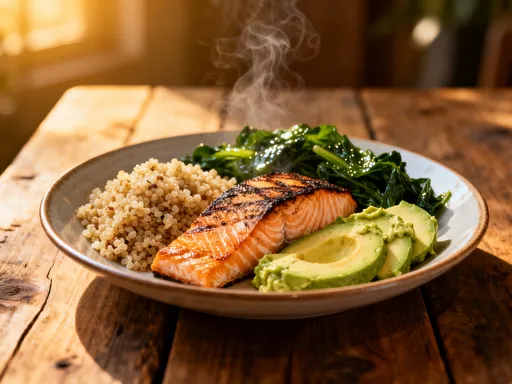
I made simple swaps that were easy to maintain. I switched from white rice to brown rice or quinoa, which have more fiber. I chose whole grain bread over refined versions. I added beans or lentils to salads and soups for extra protein and fiber. I also started paying attention to portion sizes, especially with starchy foods. A half-cup of rice has a very different impact than a full plate. These changes weren’t extreme, but they made a noticeable difference in how I felt after meals. I no longer experienced the crashes that used to leave me reaching for a snack by mid-afternoon.
One of the most helpful strategies was planning meals ahead. I began preparing simple, balanced lunches and snacks so I wouldn’t be tempted by convenience foods when I was busy. A container of Greek yogurt with berries and chia seeds, a handful of mixed nuts, or sliced vegetables with hummus became go-to options. I also learned to read labels more carefully. Just because a product says “low-fat” or “gluten-free” doesn’t mean it’s low in sugar. Many processed foods contain hidden sugars that can spike glucose levels. By focusing on whole, minimally processed foods, I gave my body the nutrients it needed without the blood sugar rollercoaster.
Movement as Medicine
Physical activity became one of the most effective tools in my blood sugar management plan. I didn’t need to run marathons or spend hours at the gym. Even light movement after meals helped. I started with short walks—10 to 15 minutes after dinner. I noticed that on days I walked, my post-meal glucose readings were lower. Research supports this: muscle contractions during movement help cells absorb glucose from the bloodstream, improving insulin sensitivity. This effect can last for hours after exercise, making it a powerful daily habit.
I gradually added variety to my routine. I included stretching, light resistance training with bands, and short home workouts. These activities built muscle, which is important because muscle tissue uses more glucose than fat tissue. The more muscle you have, the better your body can manage blood sugar. I also found that movement improved my mood and sleep, which indirectly supported my glucose control. The key was making it enjoyable. I listened to music, podcasts, or audiobooks while walking. I did stretches while watching TV. I involved my family by taking evening walks together. When movement feels like a gift rather than a chore, it’s easier to stick with it.
I learned that consistency mattered more than intensity. A 10-minute walk every day is more beneficial than an hour-long workout once a week. I stopped aiming for perfection and focused on showing up. Some days were busier than others, but even a few minutes of movement made a difference. Over time, I built a routine that felt natural and sustainable. I wasn’t exercising to punish myself for what I ate; I was moving to support my health. This mindset shift made all the difference.
Mindset Shifts and Emotional Resilience
Managing blood sugar is as much about mindset as it is about habits. There were days when my readings were higher than expected, even when I thought I’d done everything right. At first, I felt discouraged. I questioned my choices and wondered if I was failing. But over time, I learned to respond with curiosity instead of criticism. I asked myself, “What might have influenced this reading?” Was I stressed? Did I sleep poorly? Did I eat something different? This approach removed guilt and shame from the process. I realized that blood sugar is influenced by many factors, many of which are outside my control. What mattered was how I responded.
I began celebrating small wins. A stable glucose reading after a meal, choosing water over soda, taking a walk on a rainy day—these were all victories. I kept a simple journal to track not just numbers, but also how I felt. Over time, I saw progress. My energy improved. My mood stabilized. I felt more confident in my choices. Tracking progress boosted my motivation and accountability. It reminded me that change happens gradually, through consistent effort.
Patience and self-compassion became essential. This wasn’t a quick fix. It was a long-term commitment to my health. I stopped comparing myself to others or expecting perfection. I focused on showing up, one day at a time. I reminded myself that every small choice mattered. Over time, those choices compounded into real change. I wasn’t just managing blood sugar; I was building a healthier relationship with my body.
Putting It All Together: My Daily Flow
My daily routine isn’t rigid, but it has a rhythm that supports my health. I start with a morning check—testing my fasting glucose and drinking a glass of water. Breakfast includes protein, fiber, and healthy fats—like eggs with vegetables or oatmeal with nuts and seeds. I aim to eat at consistent times and avoid skipping meals, which can lead to overeating later. After lunch, I take a short walk, even if it’s just around the house. I check my glucose one to two hours after meals a few times a week to spot patterns.
I use a simple app to log my readings, meals, and activity. This helps me see connections over time. For example, I noticed that when I ate late at night, my fasting glucose was higher the next morning. That insight helped me adjust my eating schedule. I also review my data monthly to identify trends. When I see consistent patterns I don’t understand, I consult my healthcare provider. I know my limits. This self-monitoring is a tool, not a substitute for professional care. I stay in touch with my doctor and get regular blood work to monitor my overall health.
My evening routine includes winding down without screens, stretching, and preparing for bed at a consistent time. I don’t track every single thing, but I stay aware. The goal isn’t perfection—it’s awareness and consistency. I encourage anyone starting this journey to begin small. Pick one habit—like checking glucose after breakfast or taking a post-dinner walk—and build from there. Over time, those small steps create a system that supports long-term health.
Blood sugar control isn’t about perfection—it’s about awareness, consistency, and small choices that compound over time. Through systematic monitoring and mindful habits, I reclaimed my energy and peace of mind. This journey isn’t quick, but it’s worth it. With the right approach, anyone can build a healthier relationship with their body. Always remember: this information supports, but never replaces, professional medical guidance.